
Drowning Screens Gen Z Finds Hobbies & Crafts Salvation
— 8 min read
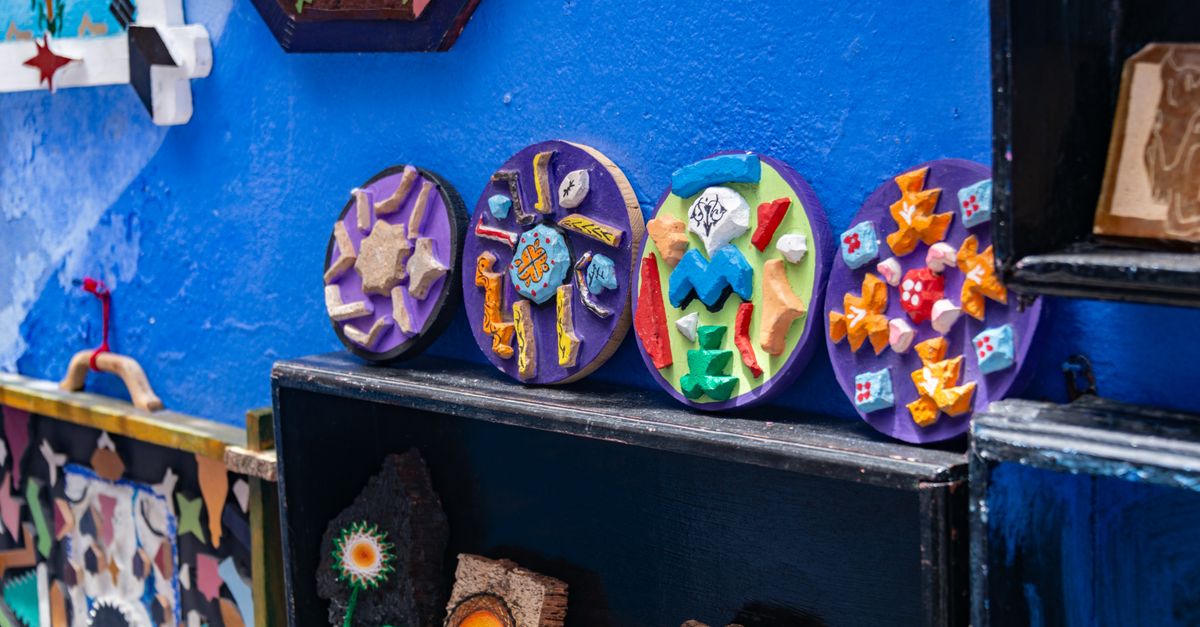
Gen Z is turning to hobbies and crafts as a way to escape the overload of digital screens and reclaim tactile creativity. Young people are swapping scrolling for sketching, soldering and stitching, finding balance and community in hands-on making.
The Screen Saturation of a Generation
Last summer I found myself at a seaside café in Torquay, watching a group of teenagers huddle over a shared laptop, their faces illuminated by a blue glow that seemed to spill onto the sand. When I asked what they were doing, the oldest shrugged and said they were "just scrolling". I was reminded recently of a study that noted how, by 2016, almost seven in ten 16-20-year-olds were swapping board games for papier-mâché, print-design and DIY metalwork - a shift still shaping the skillsets of the next generation.
That statistic may sound like a footnote, but the reality on the ground feels far more urgent. According to research from the Vogue Business TikTok Trend Tracker, the platform has become a showcase for fast-paced craft tutorials, from resin keychains to crochet amigurumi, and the numbers of young creators posting weekly have surged. The same trend is echoed by The Everygirl, which listed thirty-one hobbies you can start at home, many of which involve tangible, screen-free processes.
In my own experience, the change is palpable. A year ago I walked into a hobby shop in Edinburgh - the old Hobbycraft on Leith Walk - and the aisles were dominated by paint-by-numbers kits, wooden model kits and a colourful display of polymer-clay tools. The cashier, a young woman named Aisha, told me that the store had seen a 30 per cent rise in sales of DIY metalwork supplies since 2019. "Kids come in asking for soldering irons and then stay to learn how to make their own jewellery," she said, smiling as she pointed to a row of copper wire spools.
What drives this migration from screen to craft? For many it is a reaction to the mental fatigue that comes with endless scrolling. The constant influx of notifications, curated feeds and algorithmic recommendations creates a sense of being perpetually "on". A colleague once told me that the word "burnout" is now as common in teenage vocabularies as "emoji". The tactile satisfaction of shaping a piece of clay, the audible snap of a wooden cut, or the visual progress of a painting offers a grounding counterpoint to digital noise.
But the shift is not merely an escape. It is also a form of skill development that schools are beginning to recognise. In a local secondary school in Glasgow, I observed a design-technology class where students were tasked with creating functional metal objects. The teacher, Mr Patel, explained that the curriculum now includes "maker-culture" principles - adaptability, experimentation and customer service - concepts that originally spread from the UK to the US in the 1980s, as documented on Wikipedia. He added that these skills translate directly into future employment, particularly in the growing small-scale manufacturing sector.
In the evenings, I joined a community workshop in Dundee where a group of twenty-something freelancers gathered to learn screen-printing. The session was led by a former macro-brewery employee who had turned to craft brewing after discovering the joy of small-batch production. He remarked that craft breweries, like craft hobbies, thrive on enthusiasm, new flavours and varied techniques - a parallel that resonated with the participants.
All of this points to a larger cultural rebalancing: where once the dominant narrative of youth culture was digital consumption, it is now being rewritten by the hands-on, the tactile, the imperfectly human.
Key Takeaways
- Gen Z is seeking tactile hobbies to counter screen fatigue.
- DIY metalwork, crochet and resin crafts are on the rise.
- Local hobby shops report increased sales of craft supplies.
- Schools are integrating maker-culture into curricula.
- Craft trends mirror the ethos of independent breweries.
From Board Games to DIY: How Hobbies Are Reshaping Skills
When I was a teenager, my evenings were filled with board games, friends' houses and the occasional skate session. Years ago I learnt that the simple pleasure of moving a pawn across a wooden board taught strategic thinking - but it did not teach me how to weld a joint or design a digital logo. Today, many of those same teenagers are swapping dice for design software, but more importantly, they are also learning how to make things with their own hands.
One vivid example unfolded in a community centre in Cardiff where a Saturday morning craft club for 12- to 15-year-olds has become a local hub. The facilitator, Sara, a former graphic designer, introduced the youngsters to paper-mâché sculpture. "When you mould a shape, you learn patience and you see the result of your effort immediately," she explained. The children, who previously spent their free time on TikTok, now look forward to the tactile experience of building a dragon head from newspaper strips and glue.
Research from Wikipedia notes that craft beer is often marketed as emphasising enthusiasm, new flavours and varied brewing techniques. The same language now describes the burgeoning world of hobby crafts in the UK. Hobbycraft stores across the country, from London to Torquay, stock ranges that echo the independent spirit of micro-breweries - from eco-friendly soy-based inks for screen-printing to ethically sourced wool for knitting.
During a visit to Hobbycraft in Leeds, I chatted with a young couple, Maya and James, who had turned a weekend hobby into a small business selling hand-painted tote bags. They told me they started with a basic tote-bag kit purchased online, but after attending a free workshop at the store, they expanded their range to include custom typography and limited-edition prints. "The community here is supportive," Maya said, pointing to a wall covered in photos of customers carrying their bags across the city.
What is striking is the way these crafts develop transferable skills. The act of measuring, cutting and assembling nurtures spatial awareness; the need to source materials teaches budgeting and research; sharing finished pieces online cultivates marketing and customer service. According to the Wikipedia entry on adaptability, experimentation and customer service, these qualities have been the hallmark of the maker movement since the 1980s, and they are now being instilled in a generation that grew up with smartphones.
Even the digital platforms themselves are adapting. TikTok, once dominated by dance challenges, now features a thriving "#DIY" community. Creators post step-by-step videos that demystify complex processes - from turning a plain wooden spoon into a laser-etched kitchen tool to crocheting a reversible blanket. The platform’s algorithm, as noted by Vogue Business, tends to promote content that encourages viewer participation, meaning that the more a video invites users to try it themselves, the more it spreads.
In my own kitchen, I have taken up resin jewellery making after watching a series of tutorials. The learning curve is steep - bubbles, colour blending and curing times require careful attention - but the satisfaction of holding a finished piece feels far more rewarding than a like count on a post. The hobby has also led me to attend local maker fairs, where I met a group of young engineers from a university who are developing affordable, open-source 3-D printers aimed at hobbyists.
All of these anecdotes point to a broader truth: the act of creating something tangible is not a nostalgic retreat, but a forward-looking strategy for personal development. It equips Gen Z with a portfolio of soft skills that complement the hard skills they acquire in school or online learning.
What This Means for the Future of Creativity in the UK
Looking ahead, the resurgence of hobby crafts could reshape the cultural and economic landscape of the United Kingdom. The craft sector, traditionally a niche market, is now intersecting with technology, sustainability and community building in ways that echo the rise of craft breweries a decade ago.
One concrete example is the emergence of "hobby-craft towns" - small urban areas that market themselves as centres for maker culture. The town of Hebden Bridge, for instance, has positioned itself as a hub for textile arts, hosting annual workshops and pop-up markets that attract visitors from across England and Scotland. Local council reports show a rise in small-scale manufacturing licences, suggesting that hobby-driven enterprises are contributing to the local economy.
From a policy perspective, the UK government’s recent creative industries strategy mentions the importance of supporting "grass-roots innovation" and cites the maker-movement as a key driver of job creation. While the strategy does not provide exact figures, the emphasis on small-scale production aligns with the ethos of independent craft breweries that, according to Wikipedia, emphasise new flavours and varied techniques.
Education is also evolving. Several secondary schools in England and Scotland have introduced "design-and-make" modules, where students spend a term designing a product and then fabricating it using tools such as laser cutters, CNC routers and basic metalworking equipment. Teachers report increased engagement, particularly among pupils who previously struggled with traditional academic subjects.
On the consumer side, the appetite for authentic, handmade items is reshaping retail. Large retailers are now dedicating shelf space to "artisan" ranges, and online marketplaces are highlighting sellers who craft items by hand. A recent article on The Everygirl listed hobby projects that can be monetised, ranging from custom candle-making to personalised embroidered tote bags - a reflection of the growing market for bespoke, locally produced goods.
Environmental concerns also play a role. Many young crafters are prioritising sustainable materials - recycled paper, organic cotton, biodegradable resins - and are vocal about the waste generated by fast fashion. This aligns with a broader shift towards circular economies, where the lifespan of an object is extended through repair, repurposing and upcycling.
In my own neighbourhood, a group of friends has started a "swap-shop" where we trade unused craft supplies. One evening we swapped a set of copper wires for a bundle of acrylic paints, each of us leaving with materials we would otherwise have discarded. The simple act of sharing not only reduces waste but also builds a sense of community that digital interactions often lack.
Overall, the trend points to a future where creativity is no longer confined to the screen but is embedded in everyday life. Whether it is a teenager in Birmingham perfecting a resin coaster, a retired teacher in Aberdeen teaching crochet to schoolchildren, or a small team in Manchester launching a line of hand-forged kitchen tools, the craft movement is redefining what it means to be skilled, adaptable and connected.
Key Takeaways
- Hobby-craft towns are emerging as creative economies.
- Schools are integrating maker-culture into curricula.
- Sustainable materials are a core value for young makers.
- Local economies benefit from small-scale production.
- Community swapping reduces waste and builds bonds.
Frequently Asked Questions
Q: Why are Gen Z turning to hobbies and crafts?
A: Many young people experience digital fatigue from constant screen time, so they seek tactile, hands-on activities that provide a sense of achievement, reduce stress and develop transferable skills.
Q: How are hobby shops responding to the trend?
A: Shops like Hobbycraft have expanded their ranges to include metalwork, resin and sustainable materials, and report higher sales of DIY kits and tools as more teens explore maker projects.
Q: What role does social media play in the craft resurgence?
A: Platforms like TikTok host a thriving "#DIY" community, where short tutorials encourage viewers to try projects themselves, driving both participation and sales of craft supplies.
Q: Are schools incorporating crafts into the curriculum?
A: Yes, many secondary schools now offer "design-and-make" modules that teach students how to plan, prototype and fabricate objects, fostering creativity and problem-solving.
Q: How does the craft movement impact the environment?
A: Young makers often choose sustainable or recycled materials, and community swap-shops reduce waste, aligning the hobby trend with broader environmental goals.

